UX&DEV
Focus
Web
Branding
UX
Medium
Digital
Case Studies
These UX and game development case studies explore selected projects in detail, focusing on user needs, structure, and interaction design. Each project outlines the research, thinking, and decisions that shape intuitive, effective digital experiences.
Client:
Independent — self-published solo project.
Service:
Game design, development, visual identity, narrative, and Android publishing.
Brief:
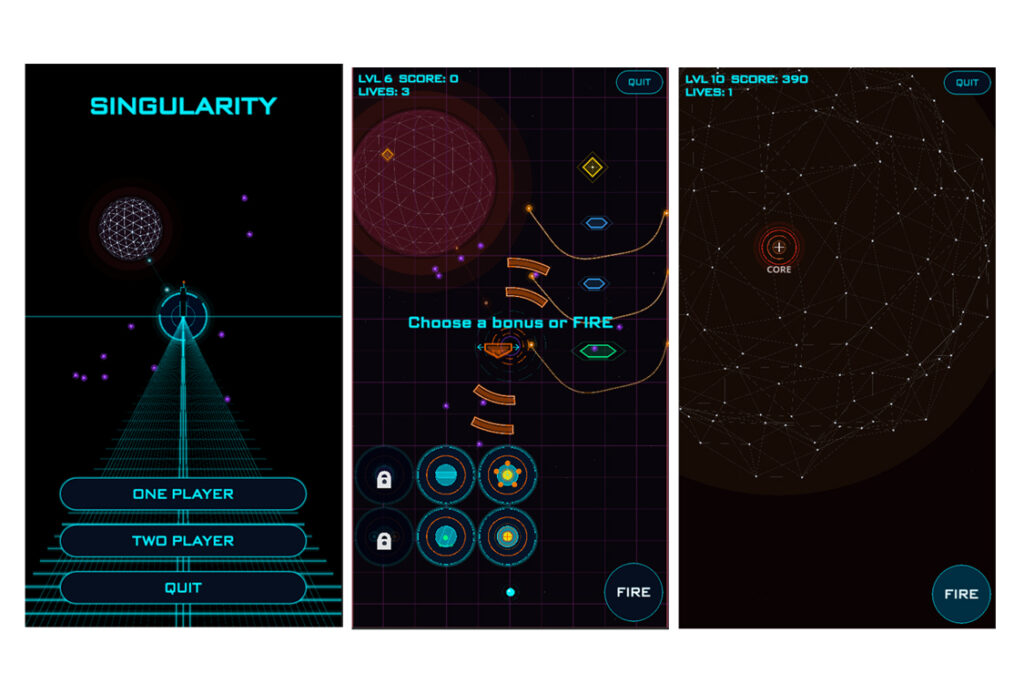
Build a physics arcade game for Android that feels genuinely original. Not a clone, not a reskin. A game with a mechanic nobody has combined before — gravitational physics meets turn-based strategy meets Tron-era aesthetics. The game needed to work for one player against an AI opponent and two players on the same device, with enough depth to justify repeated play and enough clarity to be understood in thirty seconds.
Approach:
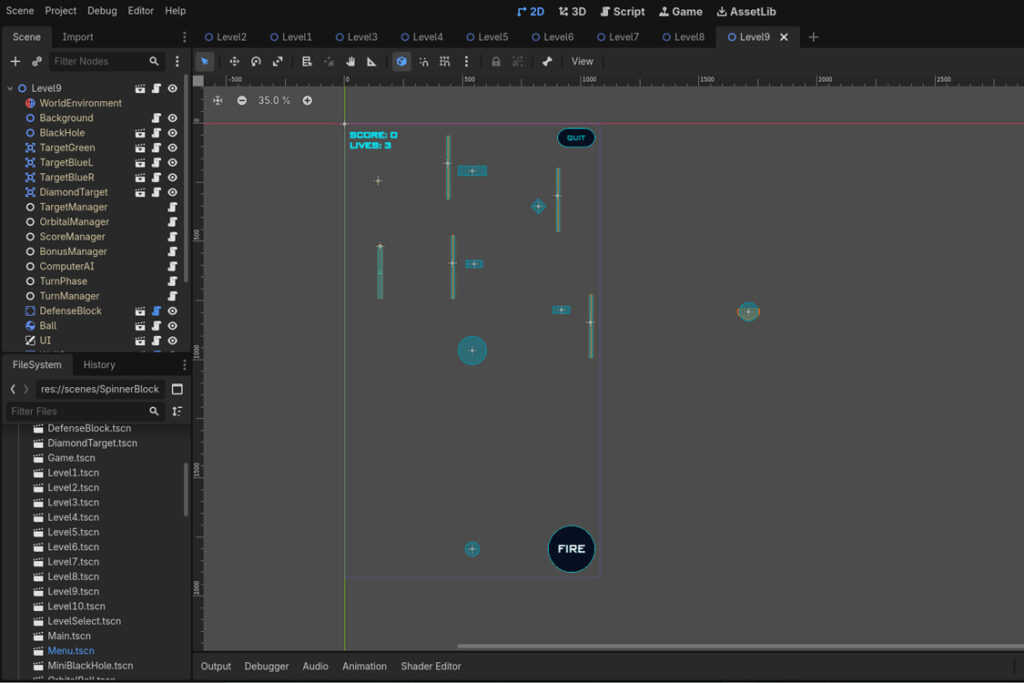
Singularity starts with one question — what happens when you put a black hole in the middle of an arcade game? Everything else follows from that. The black hole isn’t a hazard in the traditional sense. It’s a physics system that makes every shot different, that punishes laziness and rewards understanding. The player who learns to read the gravity wins. The player who ignores it loses lives.
The turn-based structure came from the same logic. Give both sides agency. Let the defender build something. Let the attacker plan around it. Make the computer opponent feel intelligent rather than random — an AI that reads your tendencies, guards your favourite targets, and scales its decision making as the rounds progress.
The Work:
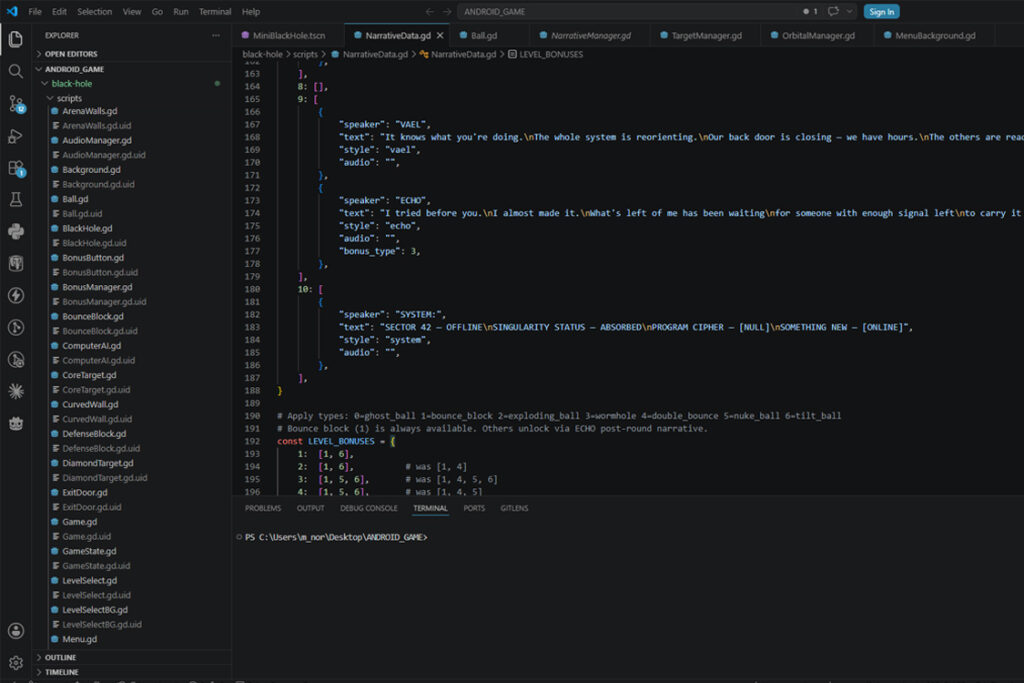
Game design and mechanics. Physics engine integration using Godot 4. A manager-based architecture — GameManager, TurnManager, BonusManager, ScoreManager, TargetManager, DefenceManager, ComputerAI — keeping the codebase clean, testable, and extensible. A full Tron-aesthetic visual system drawn entirely in GDScript using _draw() calls. An adaptive AI opponent built in pure GDScript with difficulty scaling across ten rounds. A narrative system delivering story beats between rounds through three distinct voices — VAEL, ECHO, and the Overseer. An animated menu scene featuring a procedural perspective grid and distant city skyline. Android export, AdMob rewarded ad integration, and Google Play Store submission.
Three things that needed to feel like one considered whole rather than separate features bolted together.
Client:
Foodbank App
Service:
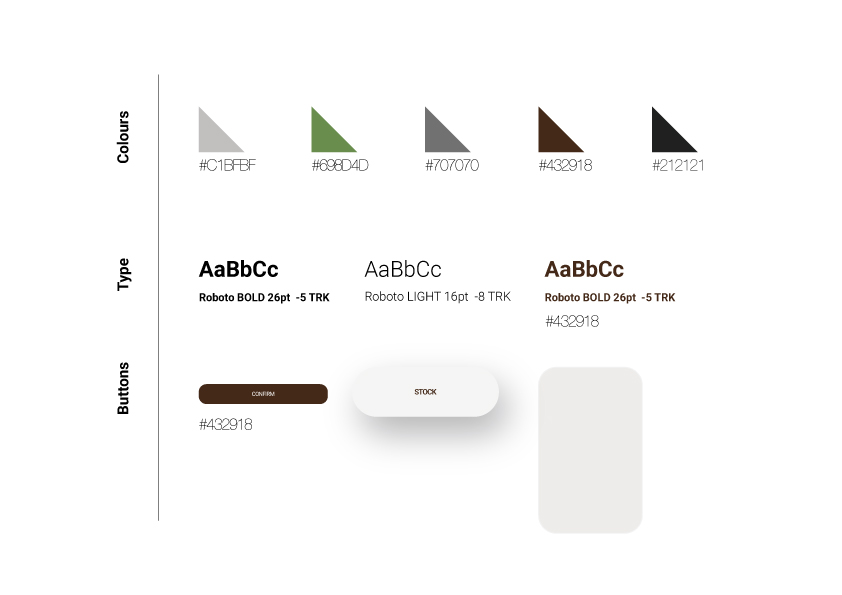
A mobile application connecting people in food poverty with their local foodbank — enabling food parcel requests, collection scheduling, donation management and stock scanning for foodbank volunteers.
Brief:
Design a mobile app that makes accessing foodbank services simpler, less intimidating, and more accessible for people who need it most — while also giving foodbank staff and volunteers the tools to manage stock, donations and collections efficiently.
Approach:
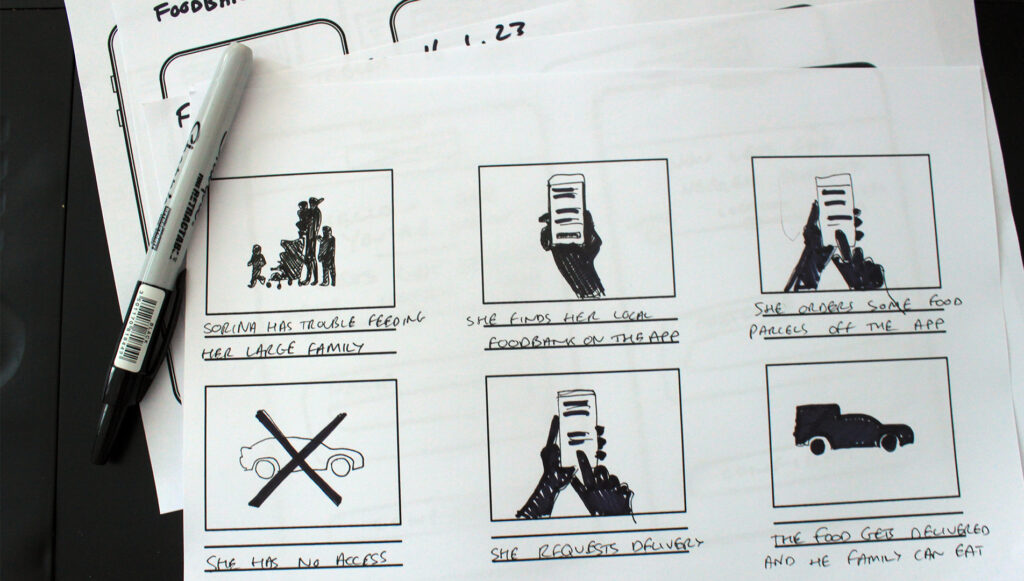
The project began with user research to understand the real barriers people face when accessing foodbank services. User profiles were developed to represent the range of people who might use the app — from families without transport to volunteers managing incoming stock. Sorina, a mother struggling to feed a large family without access to a car, became a key persona that shaped every design decision.
Usability testing revealed five critical insights: arranging collection was too difficult and needed clearer guidance; the language used to request food was not immediately understood by most users; stock scanning lacked a clear home within the navigation; location information was confusing without stronger directional copy; and button text describing current and incoming stock needed rewriting entirely.
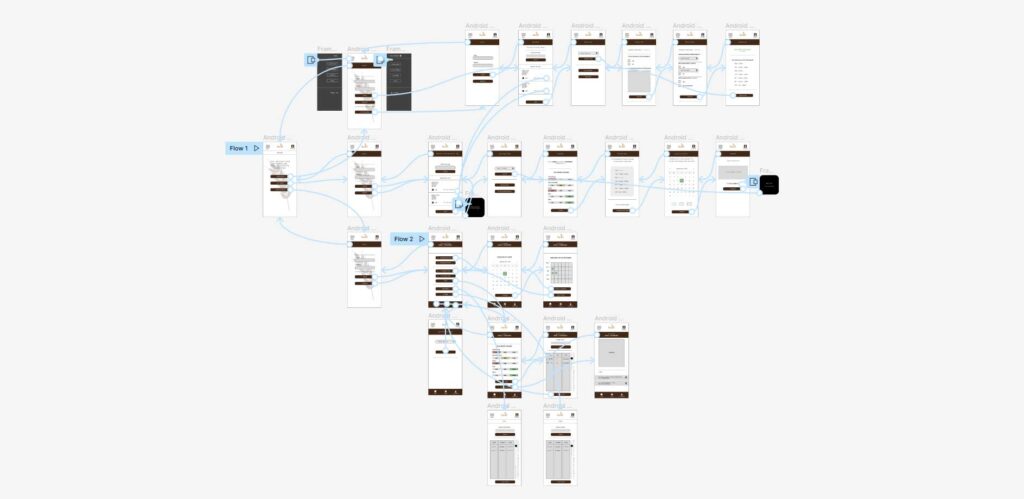
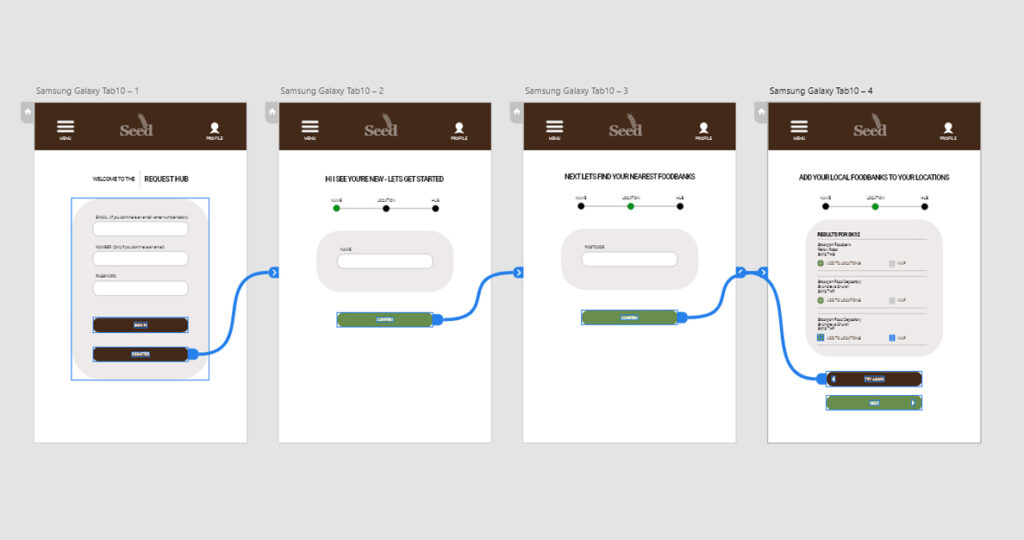
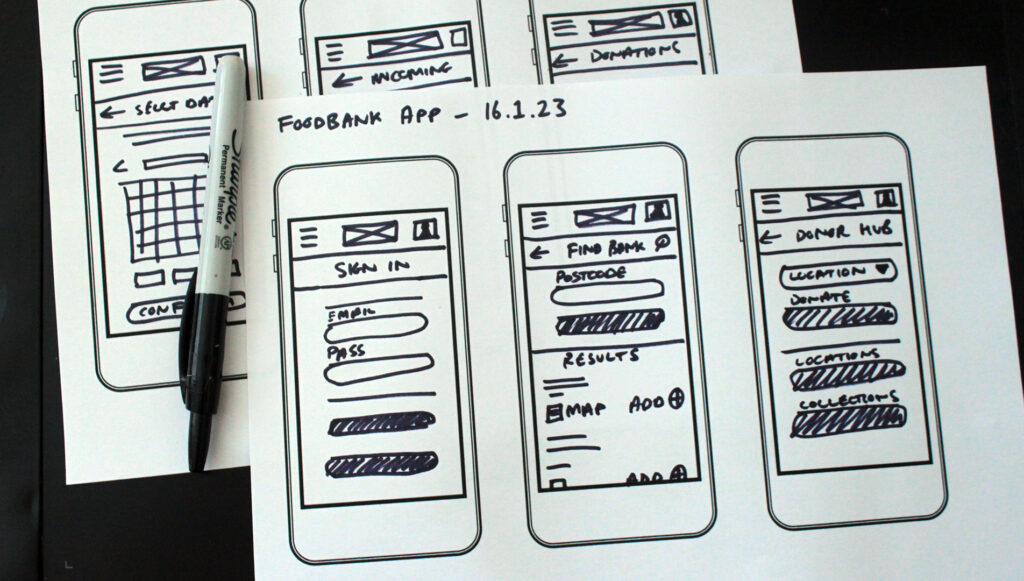
These insights drove the wireframe phase. Paper wireframes were produced rapidly — sign in, find a foodbank by postcode, request food parcels, manage collection and delivery, donor hub — each screen designed around the specific pain points identified in testing rather than assumptions about what the interface should look like.
The Work:
User research and insight identification. Persona development. User journey mapping and storyboarding. Paper wireframing across key user flows including food request, collection scheduling, incoming stock scanning, donation management and location finding. Iterative usability testing throughout.
Client:
Independent — self-published solo project.
Service:
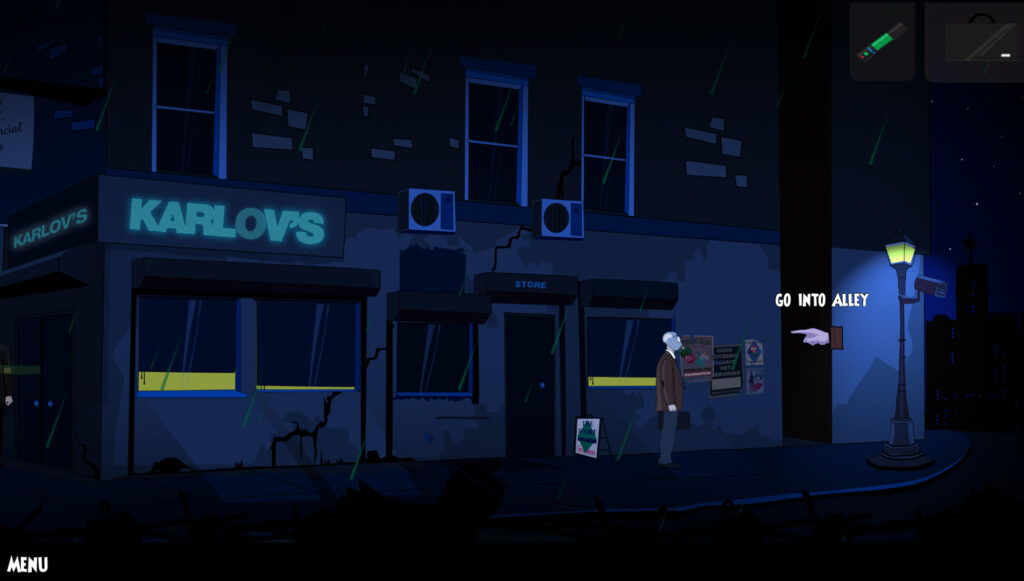
Indie point and click adventure game set in a dystopian future, developed and published independently through Steam.
Brief:
To design, write and build a full indie game from scratch — hand-drawn environments, original narrative, original characters, and a fully playable experience released commercially on Steam. No brief from a client. Just an idea worth making.
Approach:
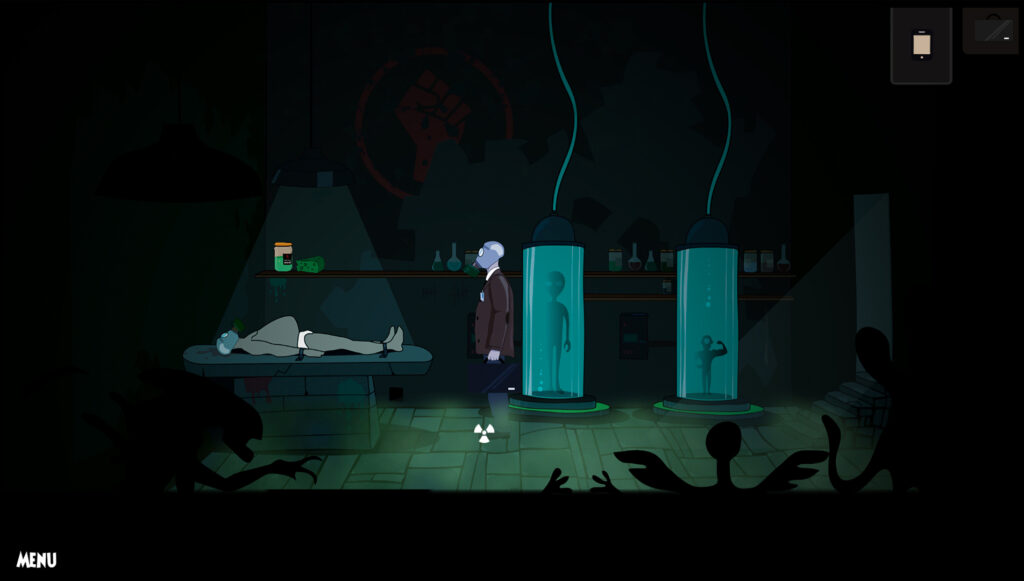
Universe 25 started with a concept — a Pythonesque world where bureaucracy, conspiracy and dark comedy collide. The year is 2035. A totalitarian union has reshaped society. John Smith, a civil servant in the Licensing department, stumbles into something much bigger than himself. The approach was to build the kind of game that rewards curiosity — layered narrative, unconventional humour, and a world strange enough to keep you exploring.
Every environment was hand drawn. Every line of dialogue written from scratch. The teleportation mechanic — a device called A Loophole — gave the game its structure, allowing the story to move between locations, dimensions and entirely unexpected situations.
The Work:
Full game concept and narrative design. 30+ hand-drawn environments. 1,000+ lines of original dialogue. Character design across a cast including aliens, monks, cargo cults and a pet mouse. UI and interaction design. Steam store listing, pricing and release. Published September 2021.
Game Here: